A Platform Built for Purpose
A specialist floor is not defined by its photographs. It is defined by reliable surfaces, equipment that suits the work, safe spacing and a practical system for keeping the room ready for the next session.
Start with the surface
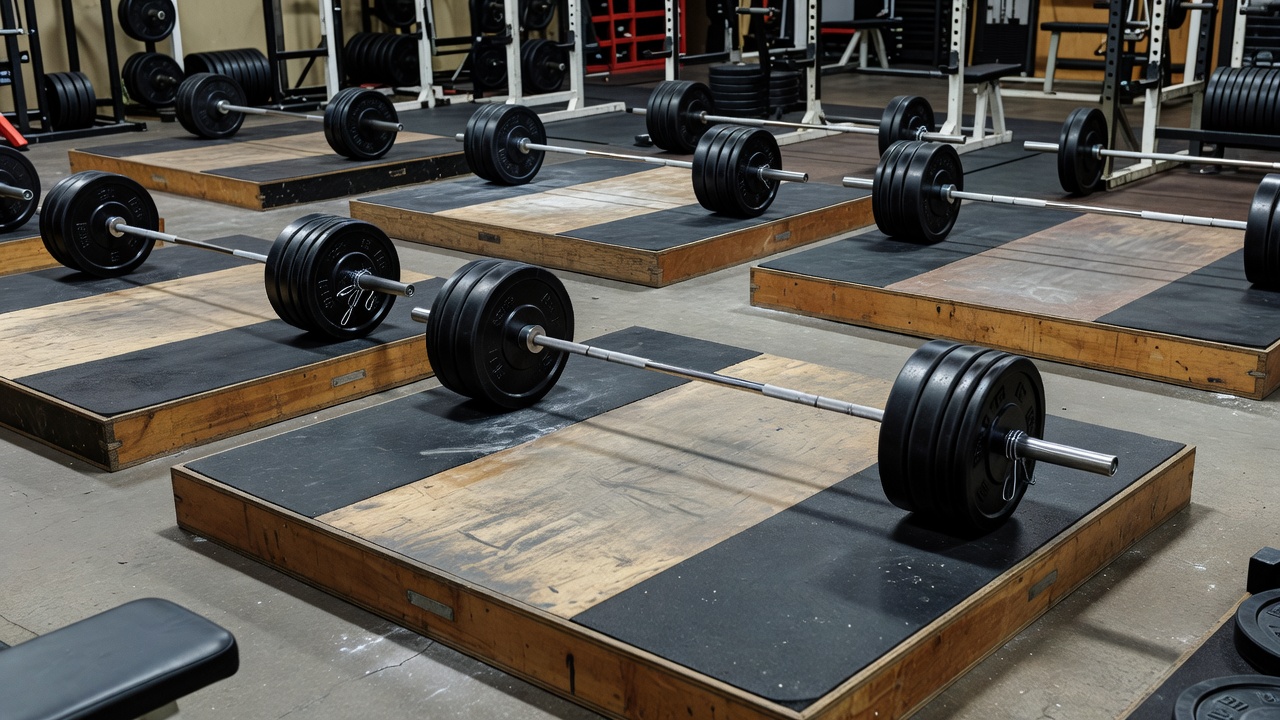
Watch a normal session before deciding what the room offers. A platform should sit securely, remain level and provide a predictable surface underfoot. Inspect the transitions between its center and surrounding floor: uneven edges, loose panels or damaged sections can affect setup and movement. Ask who checks the platforms, how faults are reported and whether repairs take a platform out of use promptly. A clean appearance is helpful, but maintenance and clear ownership matter more.
Look at the landing area and the route around it. Athletes need enough clearance to move into and out of a lift without crossing another lifter's bar path. A floor plan that works during a quiet tour may feel different when several people are warming up, loading plates and returning weights at once. Watch the busiest ordinary session you can attend. Notice whether walkways stay open, whether warm-up activity spills into active platforms and whether people have a shared understanding of safe spacing.
Inventory should match the session
Count more than bars. Ask what types of bars are available, how they are identified and whether equipment is reserved for particular groups. Check that collars, change plates and a range of bumper plates are accessible and stored so that loading does not create unnecessary traffic. The exact inventory depends on the size and purpose of the center. The useful question is whether the available equipment supports the sessions advertised without long waits or improvised substitutions.
Inspect the condition of the equipment in use. Bars should rotate as intended and be free from obvious damage; plates should be identifiable, stack safely and have a place to return. Ask how the gym handles worn equipment and whether members can report problems. Look for a straightforward process, not a promise that every item will always be perfect. A center that tracks faults and removes unsafe equipment is easier to trust than one that relies on users to quietly work around problems.
Layout, storage and daily habits
Storage is part of the training system. Plates, blocks, pulling accessories and cleaning supplies should have consistent locations that do not obstruct movement. Observe whether people unload bars, return equipment and leave platforms prepared for the next lifter. The aim is not military neatness; it is a room where a newcomer can understand the norms and where rushed transitions do not create avoidable hazards.
Ask how sessions are scheduled and how platform access works. Is there booking, a coached class timetable, an open-training window or a combination? What happens when a class is full? Can members access the room outside coached hours, and are there supervision requirements? Get these details directly from the facility. A well-equipped room that is inaccessible at the times you can train may not serve your needs.
Make a short, useful inspection
Walk the room from entrance to platform. Note the condition of the floor, the amount of clear space, equipment availability, storage, lighting, ventilation and any obvious barriers to safe movement. Then ask a staff member to explain maintenance and booking arrangements. Finally, compare those answers with what you observed during a real session. Consistency between policy and practice is stronger evidence than a single tour.
Use the questions below as a visit checklist:
- Are platforms level, stable, clearly maintained and appropriately spaced?
- Does the equipment available match the stated session size and training plan?
- Can a new member find, use and return the essential equipment without confusion?
- How are faults recorded, and what happens when equipment needs repair?
- At the times I can train, how often will a suitable platform be available?
These checks do not rank gyms. They help you decide whether the facility's real operating conditions fit your training. For coaching and week structure, continue to the coaching inspection and the programming guide.