What Useful Feedback Looks Like
Coaching is visible in the details of a session: what the coach watches, how feedback is delivered, whether the athlete understands the task and how instruction changes as ability develops.
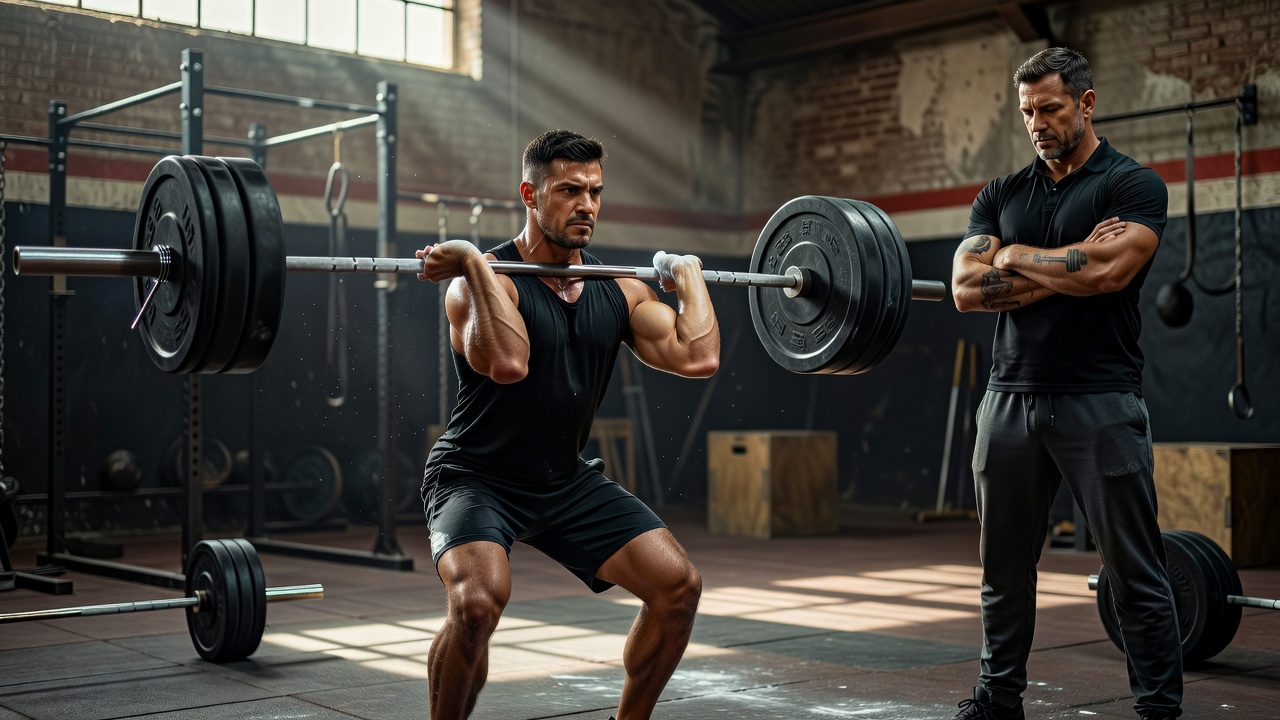
Observe before asking for credentials
Qualifications and experience can be relevant, but they do not show exactly what happens during your training hour. With permission, observe a full session rather than a highlight. Does the coach scan the room and keep track of several athletes, or does feedback disappear whenever the group gets busy? Are lifters given enough time to complete a set and reset? Does the coach notice when an athlete's movement changes over repeated attempts?
Useful feedback is specific enough to act on. It might identify a position, timing issue or repeatable task for the next set. It need not be lengthy, and more cues are not automatically better. Look for a coach who can explain the priority in language the athlete understands, then allow the athlete to try it. Ask how the coach decides whether a cue helped. A good process includes observation after the instruction rather than assuming that saying something once solves the problem.
Check whether instruction is individual
Group training can be effective when the coach manages the room and adjusts attention to the lifters in front of them. Watch whether experienced athletes and beginners receive appropriate direction. Beginners may need help with safe setup, basic positions, how to load a bar and the center's session routines. More experienced lifters may need a narrower technical focus, preparation for particular attempts or a plan for managing a difficult training day.
Ask how the center introduces new members. Is there an assessment or orientation? Who decides whether a person is ready to join a group session? How are goals discussed, and how often do coach and athlete revisit them? A thoughtful answer describes a process without promising identical results for everyone. If the center offers both group and individual coaching, clarify what each includes and which sessions have a coach present.
Safety is a coaching practice
Safety is more than a sign on the wall. During a session, observe how the coach sets expectations for platform sharing, loading and unloading, equipment handling and movement around active lifters. Notice whether people are encouraged to choose manageable loads and whether the coach can pause a session when the room becomes disorganized. Ask how injuries, pain or training modifications are handled and what falls outside the coach's role.
A responsible coach should be clear about scope. They can offer training guidance within their competence and direct athletes to appropriate qualified health professionals for concerns that require clinical assessment. Be wary of absolute promises about outcomes or pressure to continue through pain. A sound training relationship includes communication about uncertainty, recovery and when a plan should change.
Feedback over time
One helpful session does not establish a reliable coaching system. Ask how training notes are recorded and how an athlete can review progress. Records may include technical observations, completed work, training loads or other information selected by the coach. The format matters less than whether it helps the athlete and coach make decisions. Ask how missed sessions, travel, competition dates and changes in availability are incorporated instead of simply restarting a fixed plan.
Notice the tone of the room. Is correction delivered respectfully? Can a lifter ask a question without being mocked? Does the coach explain a decision when an athlete is confused? A serious environment can still be welcoming. Clear standards and humane communication are compatible; a loud or intimidating atmosphere is not proof of expertise.
Questions to take to a visit
- Who is coaching the sessions I can attend, and what experience or qualifications do they bring?
- How are new lifters assessed, oriented and placed in a group?
- How does the coach decide which technical feedback matters first?
- How are individual needs handled during a group session?
- How can athletes discuss goals, changes in readiness or concerns?
Watch what happens, then compare it with what staff tell you. A facility's teaching approach should make sense to you and fit your learning needs. Read how to assess the training week and the wider athlete support system next.